
The Renewable Energy Transition in Manufacturing is no longer a future aspiration—it’s a pressing reality for businesses navigating global markets and tightening environmental regulations. Many manufacturers are grappling with the question: How do you move towards 100% renewable energy while balancing operational costs and complex requirements? The shift presents significant hurdles, from substantial upfront investments to navigating intricate regulatory landscapes, but also unlocks considerable benefits – from long-term cost savings to enhanced brand reputation. This article explores those benefits, the common challenges, and outlines practical solutions, including innovative partnerships and certificate trading, to help manufacturing businesses achieve their sustainability goals.
The Benefits of 100% Renewable Energy
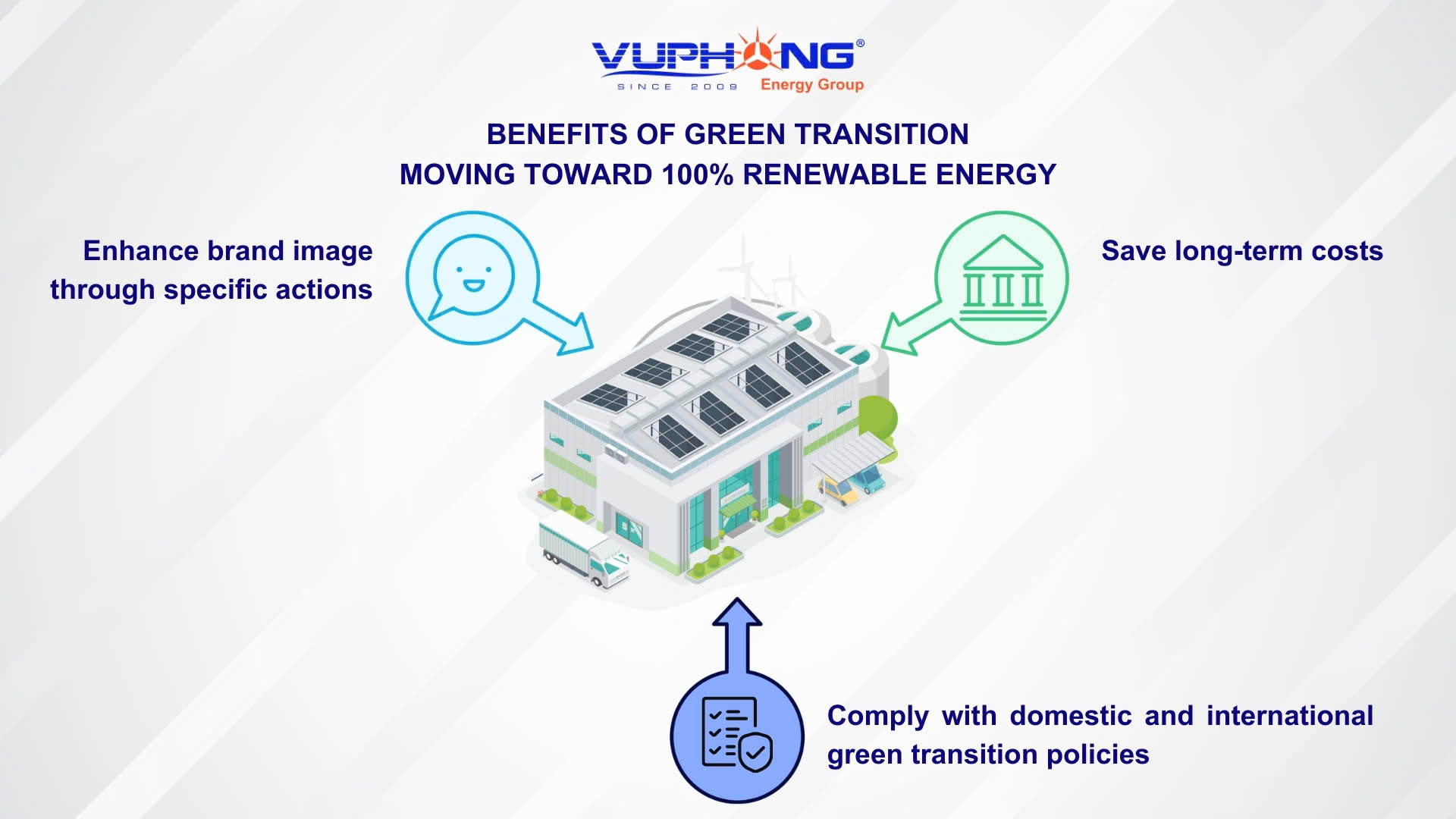
Transitioning to renewable energy offers manufacturers a dual advantage: minimizing environmental impact and achieving significant economic gains. A primary benefit lies in the potential for long-term cost reductions, particularly with solar power systems. Many companies find they can reduce electricity expenses by 15-25% by adopting solar energy solutions, contributing to a more sustainable and cost-effective manufacturing process.
Governments worldwide are responding to the urgency of climate change, enacting stricter policies and regulations focused on reducing greenhouse gas emissions and promoting renewable energy adoption. The European Union’s “Fit for 55” initiative, for example, aims to cut emissions by at least 55% by 2030. This regulatory landscape is driving businesses to implement emission reduction strategies, with mechanisms like the Carbon Border Adjustment Mechanism (CBAM) impacting suppliers importing goods into the EU.
Beyond compliance, demonstrating a commitment to 100% renewable energy strengthens a business’s brand reputation. It appeals to increasingly environmentally conscious customers and attracts partners who share similar values. Companies like Apple have publicly committed to 100% renewable energy across their global operations, a move that has enhanced brand credibility and resonated positively with both consumers and investors, furthering the greenhouse gas reduction in manufacturing.
Challenges in Transitioning to 100% Renewable Energy
The shift to renewable energy offers substantial advantages, but a complete transition presents significant hurdles that demand careful planning and resource allocation. Manufacturing companies, in particular, face specific challenges when integrating renewable sources into their operations.
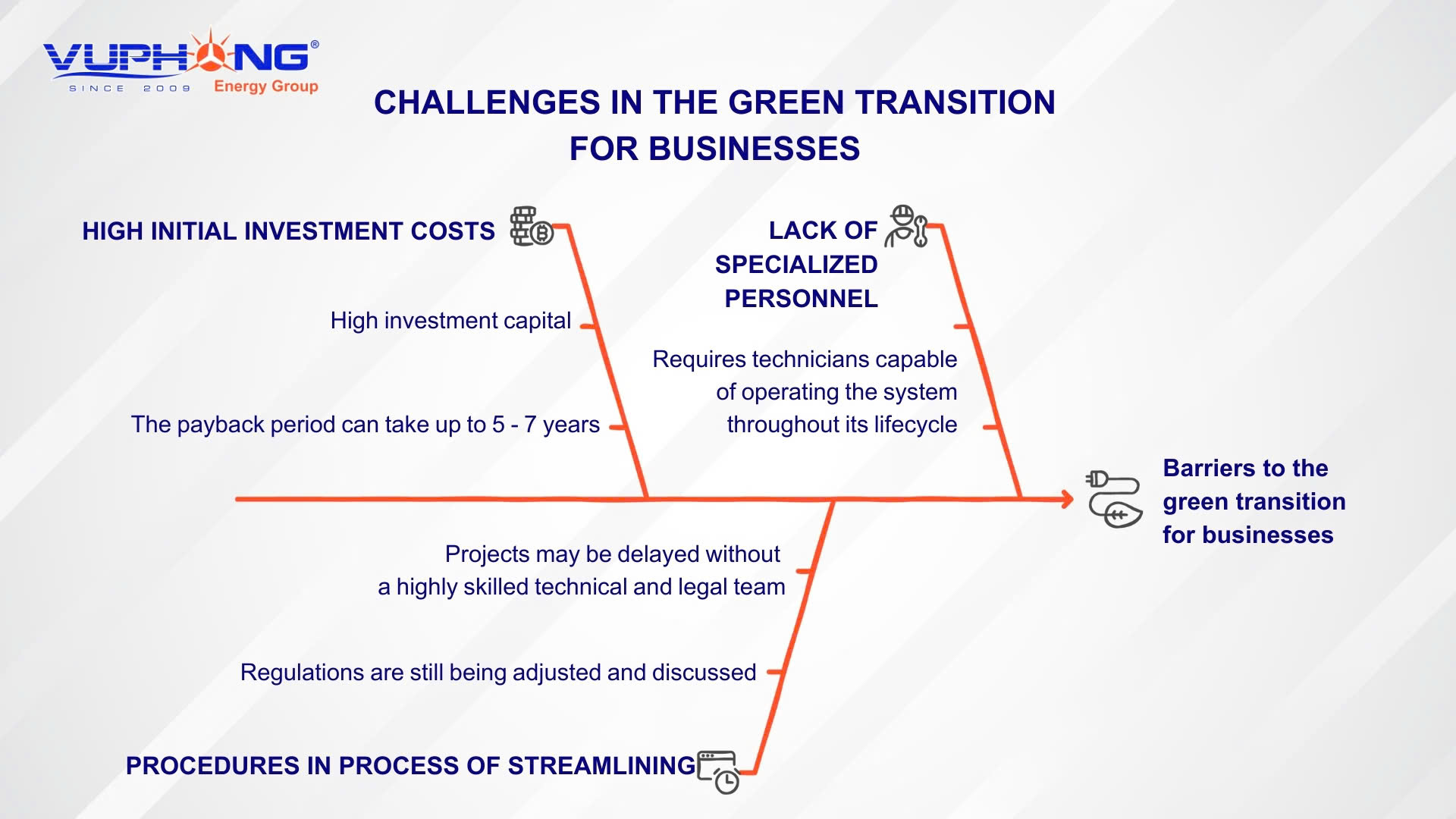
Significant Upfront Investment Costs: A primary obstacle is the substantial capital expenditure required for renewable energy infrastructure. Investing in systems like solar arrays and energy storage necessitates significant funding. The return on investment can be lengthy; for example, a 1MWp solar installation might take 5 to 7 years to become profitable, depending on factors like geographic location and sunlight availability. This financial commitment can be a barrier, especially for manufacturers operating on tight margins.
Complex Regulatory and Permitting Processes: Navigating the regulatory landscape can be incredibly complicated. Lengthy and often inconsistent procedures related to grid interconnection, adherence to safety regulations, and robust fire prevention protocols add time and complexity to renewable energy projects. These inconsistencies can hinder compliance efforts for manufacturing businesses seeking to embrace sustainability solutions.
Skill Gaps and Workforce Development: Operating and maintaining renewable energy systems requires specialized expertise. Many manufacturing companies lack the in-house personnel with the necessary skills to manage these systems effectively. Recruiting, training, and retaining qualified technicians capable of handling the technical aspects of renewable energy, such as solar power panel maintenance and system monitoring, represents a significant challenge, particularly for those businesses where renewable energy isn’t a core competency. Addressing this skills gap is crucial to ensuring a successful and sustainable renewable energy transition in manufacturing.
Moving Towards 100% Renewable Energy with Flexible PPA Models and I-REC
The shift to green energy is crucial for manufacturing companies seeking to thrive in a sustainable future. Despite the significant benefits, many businesses face hurdles preventing them from fully embracing renewable energy sources. Vu Phong Energy Group, alongside our network of partners, is committed to supporting manufacturers on this journey. We offer long-term partnerships utilizing flexible PPA models and International Renewable Energy Certificate (I-REC) trading to overcome these challenges and help businesses achieve their goal of 100% renewable energy consumption, especially in the context of the renewable energy transition in manufacturing.
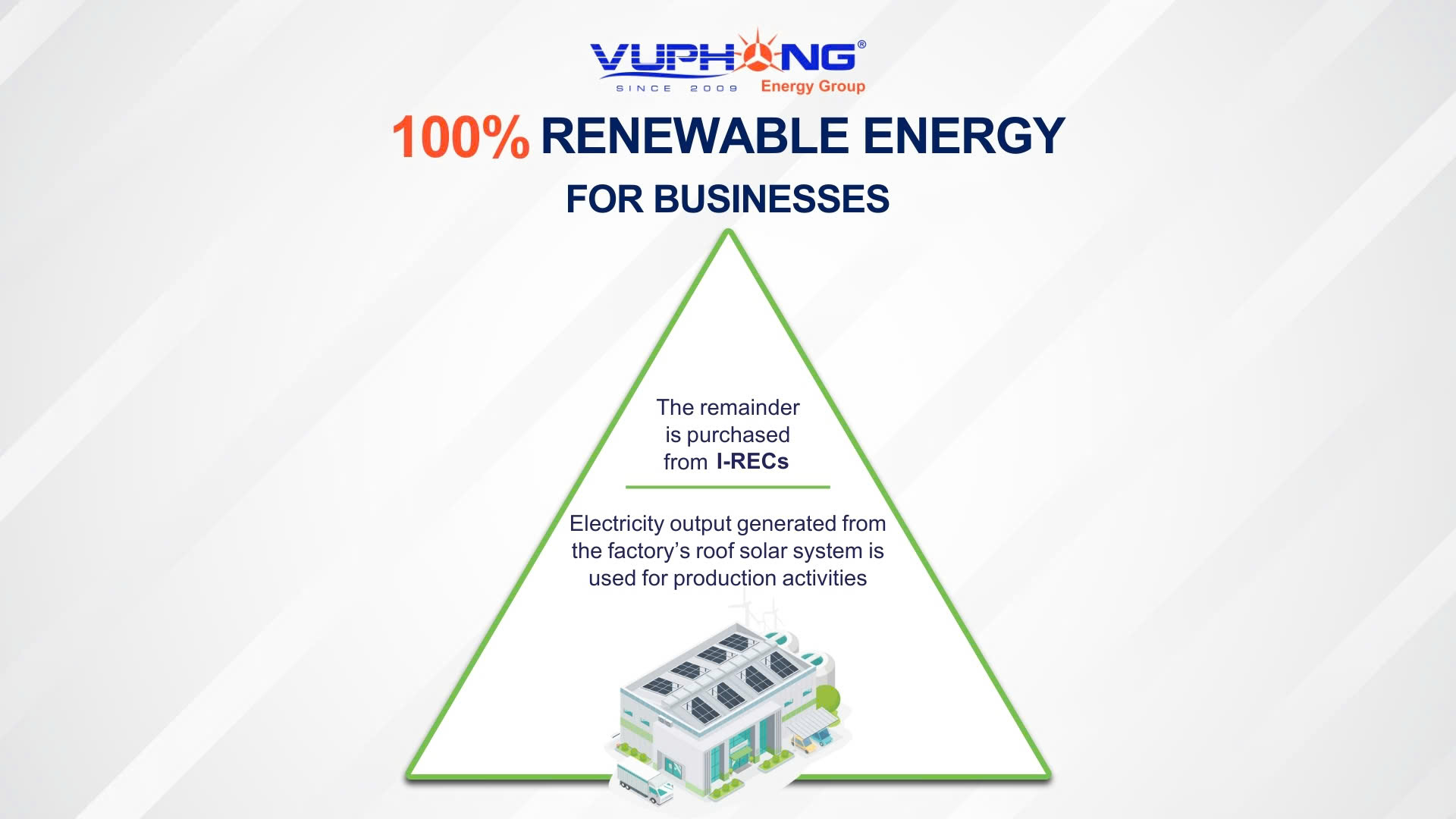
PPA Cooperation Model: This innovative approach allows businesses to leverage high-quality solar power systems without the burden of substantial upfront investment. This addresses a common concern – cash flow – as businesses only pay for solar energy at a rate that is often lower than that of the national utility (EVN). This provides predictable energy costs and mitigates the risks associated with fluctuating market prices. Several leading Vietnamese companies, including Vinamilk, Kem Nghia/Nghia Nippers Corporation, and Duy Tan Plastics, have already partnered with Vu Phong Energy Group under this model to accelerate their transition to green energy and advance towards 100% renewable energy usage.
The PPA model also simplifies access to renewable energy by eliminating the need for direct infrastructure investment. Furthermore, Vu Phong Energy Group acts as a long-term partner, ensuring optimal system efficiency and providing ongoing support for operation and maintenance, addressing any challenges that may arise.
I-REC Trading: Once factories have implemented emissions-reducing initiatives, such as rooftop solar installations facilitated by the PPA model, any remaining energy consumed from the national grid can be offset through the purchase of I-RECs. These certificates are internationally recognized and demonstrate a commitment to renewable energy sourcing.
Cooperation with Vu Phong Energy Group and VP Carbon
Partnering with Vu Phong Energy Group and VP Carbon provides invaluable support for manufacturers navigating the renewable energy transition. Their expertise in renewable energy solutions, coupled with experience in I-REC trading, empowers businesses to effectively deploy solar power systems and maximize both financial returns and the benefits associated with energy certificates. This is crucial for a successful renewable energy transition in manufacturing, particularly regarding sustainability.
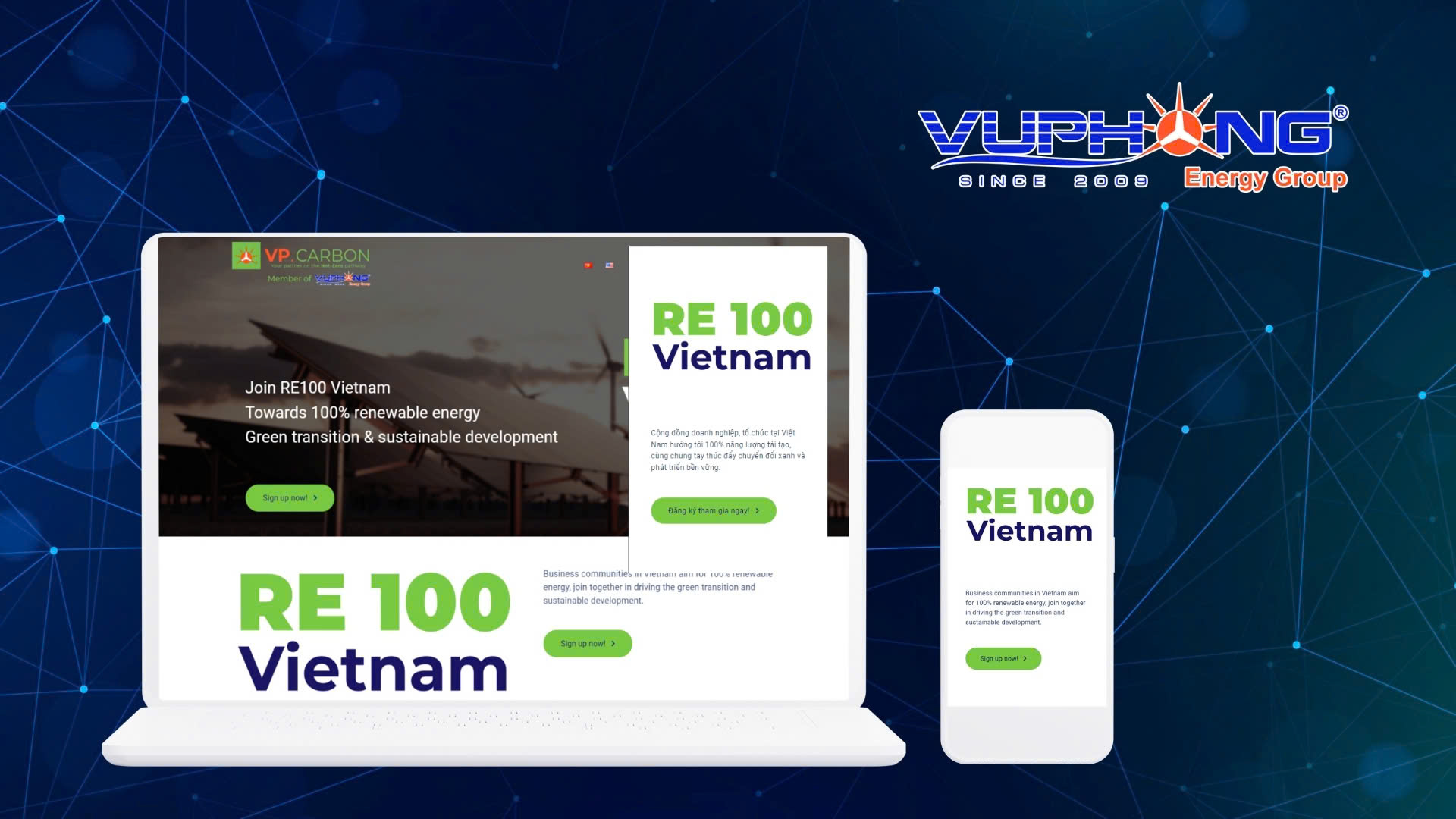
Furthermore, the RE100.vn platform, a resource developed by Vu Phong Energy Group, offers significant value to businesses dedicated to sustainable practices and aiming for 100% renewable energy usage. It fosters collaboration and collective commitment to this important goal.
Embarking on a journey towards 100% renewable energy can be complex, but with careful planning and strong, reliable partnerships – like those offered by Vu Phong Energy Group and VP Carbon – businesses can transform challenges into opportunities. This commitment not only addresses evolving legal and societal demands but also establishes a long-term strategy for enhanced competitiveness and sustainable growth within the manufacturing sector. A crucial element of this journey often involves securing a PPA.
Vu Phong Energy Group
Source: https://vuphong.com/100-use-of-renewable-energy-is-it-easy-or-difficult-for-businesses/.
Recent Posts
-
 Unlocking Potential: How Mindset Drives Success at Vu Phong Energy Group
 -
 Vu Phong Handbook: Sustainable Solutions for Net-Zero & Digital Transformation
 -
 Vietnam’s Decree 135: Boost for Rooftop Solar Power & Green Transition
 -
 Zero Capex Solar: Vietnam’s Path to Net-Zero Emissions
 -
 Vu Phong Energy Group Achieves Key Milestones in Renewable Energy Transition – November 2024


