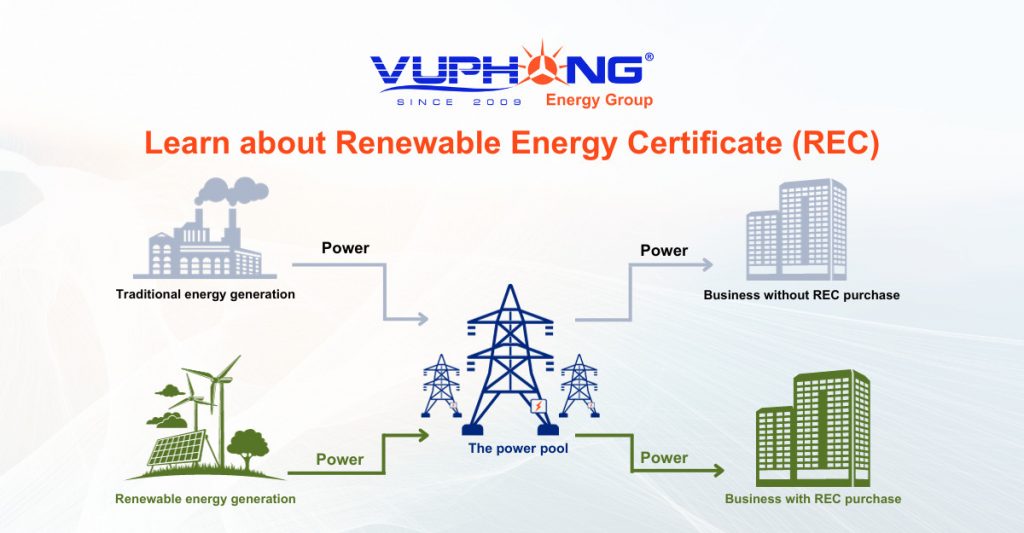
Renewable Energy Certificates (RECs) are playing an increasingly vital role in the global energy transition to a more sustainable energy system. Often described as market-based instruments, RECs represent the environmental benefits – or attributes – associated with electricity generated from renewable sources. These certificates allow organizations and individuals to support clean energy initiatives and contribute to a lower-carbon future.
The process of buying and selling RECs creates a financial incentive for renewable energy producers, encouraging investment in and expansion of clean energy technologies. This, in turn, helps to reduce greenhouse gas emissions and fosters the development of robust renewable energy markets. Understanding how Renewable Energy Certificates function is key to appreciating their impact on the evolution of the energy landscape.
What is a Renewable Energy Certificate (REC)?
A Renewable Energy Certificate (REC), also sometimes referred to as a Green-e Certified REC, is a market-based instrument used to track and assign environmental benefits of renewable energy generation. Think of it as a proof that electricity was generated from a renewable source, such as solar, wind, geothermal, or hydro power. Each REC represents one megawatt-hour (MWh) of electricity generated from these clean sources.
The system works like this: When a renewable energy facility generates electricity, it receives RECs for each MWh produced. These RECs are then separated from the actual electricity and can be sold to entities – often businesses or utilities – that are looking to offset their carbon footprint or meet renewable energy targets. Crucially, the electricity itself goes into the power grid and is indistinguishable from electricity generated by fossil fuels. The REC represents the environmental benefit, not the physical electricity itself.
Why do RECs exist? They allow companies and consumers to support renewable energy projects even if they can’t directly purchase renewable electricity. They also provide a vital revenue stream for renewable energy generators, encouraging further investment in these technologies. The integrity of the system is maintained by independent verification and tracking, ensuring that RECs are accurately accounted for and not double-counted. Supporting RECs contributes significantly to the broader energy transition.
Concept of Renewable Energy Certificate (REC)
A Renewable Energy Certificate (REC), sometimes referred to as an Energy Attribute Certificate (EAC), is a tradable instrument that verifies the generation of electricity from renewable resources. Think of it as a documented proof that a certain amount of electricity was produced using sources like solar, wind, hydro, or biomass. RECs play a vital role in tracking the origin and environmental benefits of renewable energy, connecting generation to consumption.
Essentially, each REC represents one megawatt-hour (MWh) of electricity generated from a qualifying renewable energy facility. This standardized unit allows for a transparent and verifiable system for companies and consumers to support and invest in clean energy projects, even if they can’t directly access renewable power sources themselves. The REC system provides a valuable mechanism for promoting the growth of renewable energy markets.
Renewable Energy Certificates (RECs) are recognized and traded globally, contributing significantly to the growth of renewable energy projects. Understanding the different types of RECs is crucial for businesses and organizations looking to support sustainable energy practices and meet environmental goals.
International Renewable Energy Certificates (I-RECs) are a widely adopted international standard, facilitating the tracking and trading of renewable energy generation across various regions, including North America, Asia-Pacific, Africa, and Latin America. These certificates provide verifiable proof of renewable energy usage and support the development of new renewable energy facilities.
The I-REC system currently accounts for over 95% of internationally traded RECs, demonstrating its significant role in the global renewable energy market. This prevalence underscores its credibility and ease of use for organizations seeking to demonstrate their commitment to renewable energy.
TIGR (Tradable Instrument for Global Renewables) is another important type of renewable energy certificate, offering a similar function to I-RECs. Created by APX, TIGR utilizes an online platform for tracking and transferring certificates, simplifying the process for developers to create, verify, and trade them. This digital tracking enhances transparency and efficiency in the REC market.
Distinguishing REC and Carbon Credit (Carbon Offset)
Understanding the difference between Renewable Energy Certificates (RECs) and carbon credits is crucial for businesses looking to address their environmental impact. A carbon credit, also known as a Certified Emission Reduction (CER), represents the avoidance, reduction, or removal of one metric ton of carbon dioxide equivalent (tCO2e) greenhouse gas emissions. In contrast, a REC signifies the generation of one megawatt-hour (MWh) of electricity from renewable sources.
The fundamental distinction lies in what each represents. RECs are awarded to renewable energy projects that produce electricity, verifying that a certain amount of electricity came from a clean source. Carbon credits, on the other hand, are issued to projects that actively reduce, remove, or prevent greenhouse gas emissions across a wider range of activities. This could include forestry projects, methane capture, or industrial process improvements.
For organizations focusing on emissions reduction and reporting, RECs are particularly useful for addressing Scope 2 emissions—those indirect emissions associated with purchased electricity. By procuring RECs, companies can demonstrate their support for clean energy and effectively reduce their reported Scope 2 footprint. Carbon credits offer a broader solution, capable of offsetting emissions across Scope 1 (direct emissions), Scope 2, or Scope 3 (value chain emissions). Ultimately, both tools play a vital role in achieving sustainability goals, but serve different purposes in the overall carbon management strategy.
Benefits of owning a Renewable energy certificate (REC)
Renewable Energy Certificates (RECs) offer a unique way for customers to support renewable energy production by purchasing the associated environmental attributes, even without directly buying the electricity itself. These certificates play a vital role in both voluntary and compliance initiatives. In voluntary markets, organizations proactively choose to consume clean energy, often guided by established sustainability reporting frameworks. Conversely, compliance markets arise when governments mandate specific entities—like those required to meet Renewable Portfolio Standards (RPS) or Renewable Purchase Obligations (RPOs)—to utilize RECs to fulfill those requirements.
For businesses, acquiring and utilizing RECs provides a range of significant advantages. Demonstrating a commitment to sustainability and environmental responsibility is increasingly important, and RECs provide tangible proof of this dedication. They offer a recognized pathway to comply with both national and international regulations and standards related to renewable energy consumption and carbon emissions, essentially serving as the verifiable documentation of renewable energy sourcing.
- Global Recognition and Compliance: RECs are widely recognized internationally, allowing businesses to showcase their adherence to regulatory frameworks and industry best practices.
- Transparency and Reporting: Owning RECs facilitates public disclosure to organizations like CDP and RE100, strengthening credibility and demonstrating progress toward sustainability goals and reduced greenhouse gas emissions.
- Potential Financial Incentives: Businesses may be eligible for government incentives, tax credits, or revenue opportunities through trading instruments like I-REC certificates, making renewable energy procurement financially attractive.
- Enhanced Brand Reputation and Competitiveness: A commitment to renewable energy, demonstrably evidenced through REC ownership, can significantly improve brand reputation and enhance competitiveness in the marketplace.
In conclusion, participation in the international REC market is increasingly crucial for global companies, particularly those seeking to attract and retain Foreign Direct Investment (FDI) from entities prioritizing Environmental, Social, and Governance (ESG) principles. Understanding and leveraging Renewable Energy Certificates is a key element of a robust sustainability strategy.
The Global and Vietnamese REC market
The market for Renewable Energy Certificates (RECs) is experiencing significant growth, closely aligned with the global momentum towards energy transition, a stronger focus on renewable energy sources, and the urgent need to reduce greenhouse gas emissions and achieve carbon neutrality. This shift is driving demand and innovation in the REC landscape.
The I-REC Standard, a widely recognized framework for tracking and verifying renewable energy generation, has seen substantial activity. As of August 2023, over 512.33 million certificates have been issued, representing 195.2 GW of renewable energy capacity. These certificates originate from more than 4,200 projects across 48 countries, demonstrating the global adoption of this standard. In Vietnam, the uptake of I-REC certificates is notable, with 492 operational projects, totaling over 8,000 MW of capacity as of October 25, 2023. This includes a significant number of solar projects (353), alongside hydropower (124) and wind projects (15).
Another prominent certification scheme, TIGR, has also contributed to the expansion of the renewable energy market. Currently, 196 operational projects, generating a total of 864.593 MW, are certified by TIGR. The majority of these projects utilize solar power (191), with smaller contributions from hydropower (3) and wind (2).
Registering for a Renewable Energy Certificate (REC) in Vietnam
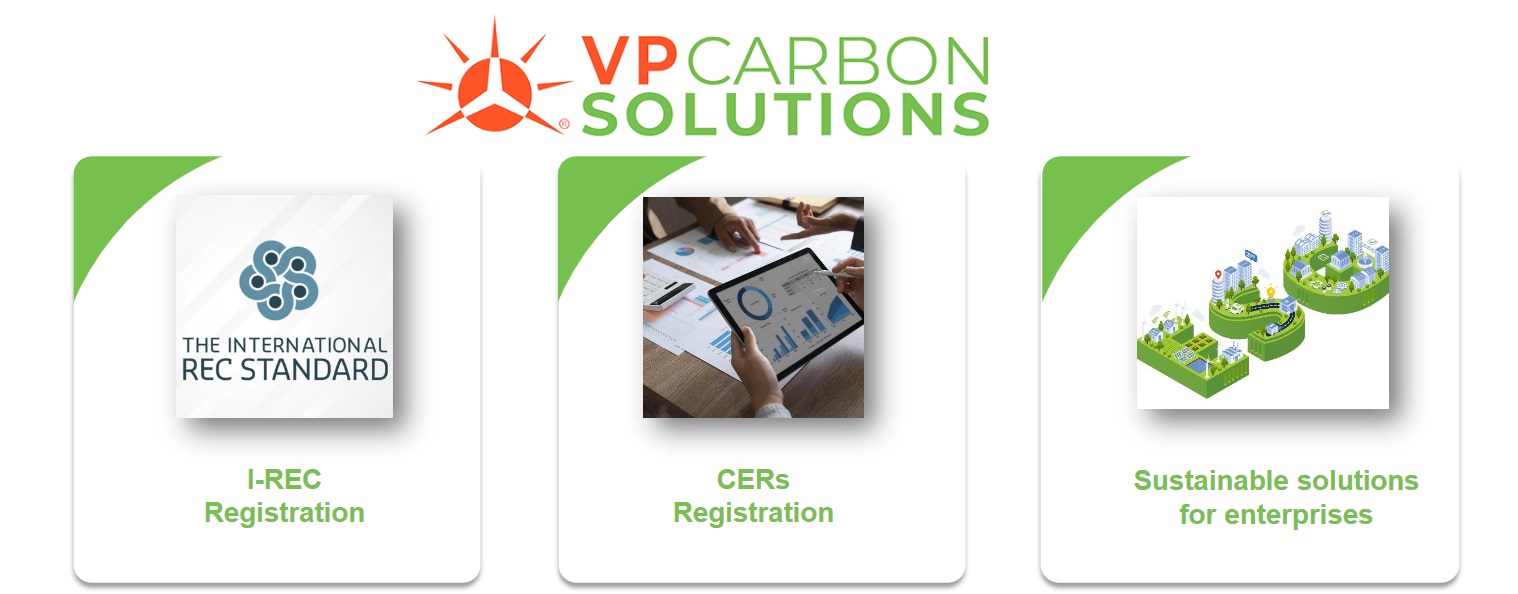
The process of acquiring and utilizing Renewable Energy Certificates (RECs) in Vietnam is facilitated by the Green Certificate Company (GCC), which serves as the designated issuer. To streamline the registration and trading of these certificates for businesses, several specialized service providers exist. A prominent example is VP Carbon, a subsidiary of Vu Phong Energy Group, offering expertise and support in navigating the complexities of the REC market.
RECs play a vital role in demonstrating the amount of electricity generated from renewable sources, such as solar power. These certificates provide verifiable proof of environmental impact and contribute to Vietnam’s sustainability goals. Understanding how to properly obtain and manage these certificates is increasingly important for companies looking to enhance their environmental responsibility and demonstrate their commitment to a greener future, particularly as they navigate the broader energy transition.
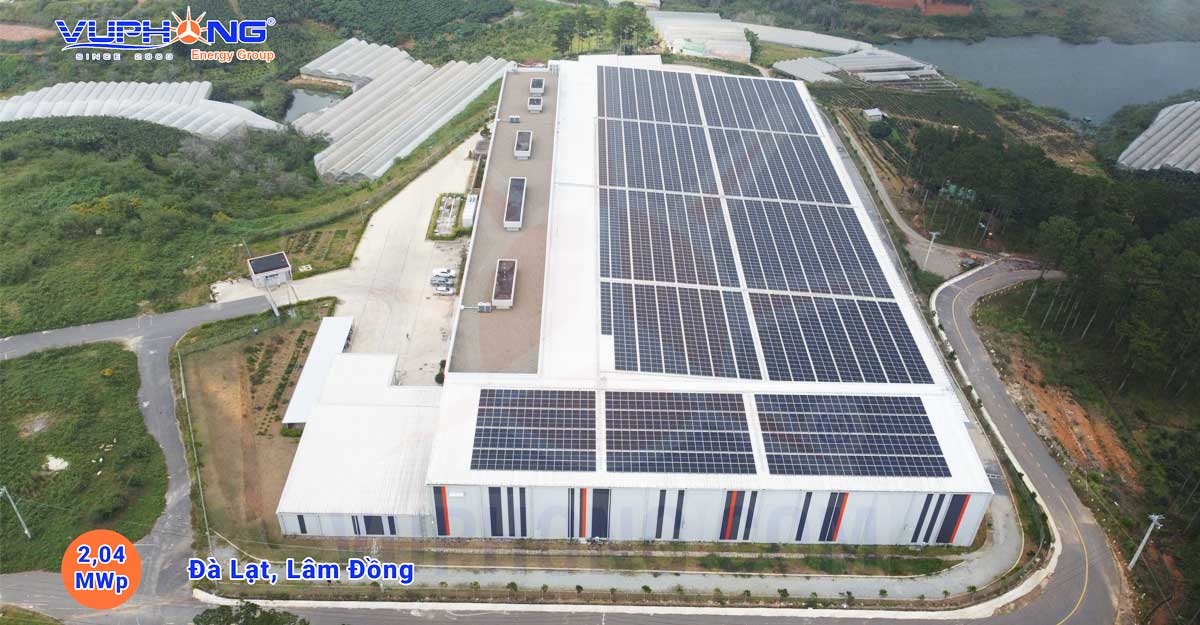
 Renewable Energy Certificate (REC) demonstrating power generated from renewable sources.
The I-REC Registration Process
The process of registering for International Renewable Energy Certificates (I-RECs) can seem complex, but VP Carbon simplifies it for our clients. Here’s a breakdown of how we handle the registration, ensuring a smooth and compliant experience:
- Initial Consultation and Requirements: We begin by receiving detailed project information from our clients and providing clear guidance on the necessary registration requirements. This includes outlining the documentation needed and answering any initial questions.
- Documentation Submission and Verification: Once the project documentation is gathered, we receive it from the client, meticulously review it for accuracy and completeness, and then submit it to the Guarantees of Origin Issuing Body (GCC) for formal registration.
- GCC Approval: The GCC thoroughly reviews the submitted documentation to ensure it meets all eligibility criteria.
- Issuance of I-RECs: Upon successful approval by the GCC, payment is processed, and the I-RECs are officially issued, representing the verified renewable energy generation.
Beyond assisting with the registration and trading of these certificates, VP Carbon offers comprehensive solutions designed to support our clients in achieving their emissions reduction goals, embracing Environmental, Social, and Governance (ESG) principles, and advancing sustainable energy initiatives. We are committed to helping organizations navigate the evolving landscape of renewable energy and demonstrate their commitment to a cleaner future.
Vu Phong Energy Group
Source: https://vuphong.com/certificate-rec/.
Recent Posts
-
 Unlocking Potential: How Mindset Drives Success at Vu Phong Energy Group
 -
 Vu Phong Handbook: Sustainable Solutions for Net-Zero & Digital Transformation
 -
 Vietnam’s Decree 135: Boost for Rooftop Solar Power & Green Transition
 -
 Zero Capex Solar: Vietnam’s Path to Net-Zero Emissions
 -
 Vu Phong Energy Group Achieves Key Milestones in Renewable Energy Transition – November 2024


