
Achieving Net-Zero Emission Reduction is no longer a future aspiration for manufacturing businesses; it’s a present-day imperative. Facing increasing pressure from consumers, investors, and regulators, many companies are struggling to navigate the complexities of measuring and reducing their environmental impact. It’s a journey demanding precision, transparency, and a strategic approach. This article cuts through the noise, providing a practical roadmap for manufacturing businesses to accurately assess their carbon footprint, implement effective reduction strategies, and build a credible pathway toward a sustainable future. Join us as we explore the key steps and actionable solutions to help your business thrive in a Net-Zero world.
1. Implementation methodology for businesses aiming for Net-Zero
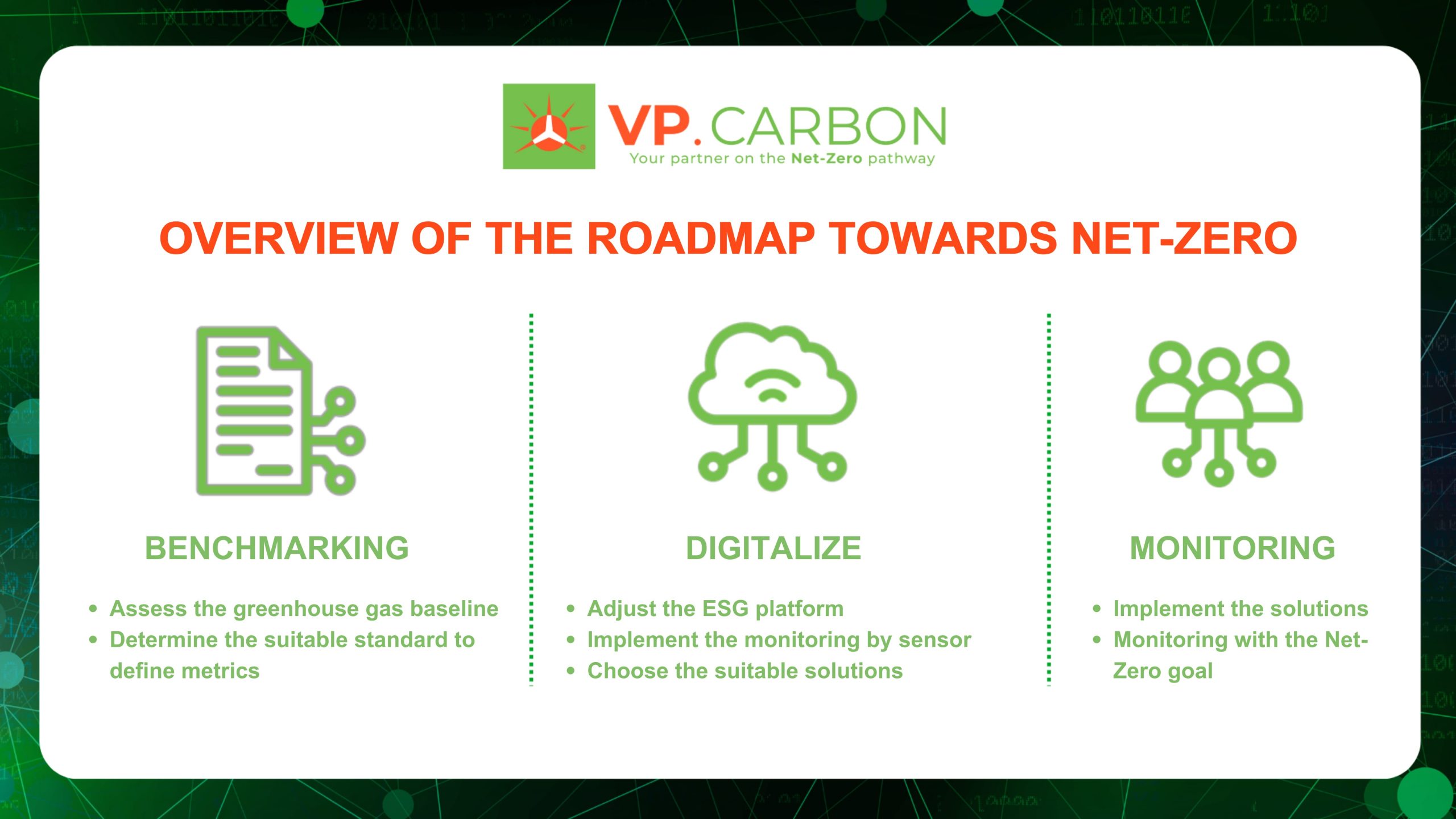
Addressing the escalating threat of climate change demands specific and scientifically sound solutions for businesses striving to achieve Net-Zero: a state of zero net greenhouse gas emissions. The initial and most crucial step in this process involves calculating and establishing a comprehensive emission baseline.
- Calculating the emission baseline: Accurately measuring a company’s current emissions is paramount. This process not only ensures compliance with evolving Net-Zero policies and commitments but also allows for the tailoring of emission reduction strategies to the unique context of each business. A compelling example is the collaboration between the Bangladesh Garment Manufacturers and Exporters Association (BGMEA) and the German International Cooperation Organization (GIZ) to build sustainable capacity within the garment sector. This initiative includes measuring and assessing emissions from garment factories, directly supporting businesses in defining their emission baselines.
- Measurement and data management system (MRV): Following the establishment of the emission baseline, implementing a robust measurement and data management system is essential. This system provides ongoing monitoring and tracking of emissions, ensuring the Net-Zero journey remains on course. Many businesses within the Bangladesh garment industry, for instance, have embraced environmental data management systems to meticulously track emissions and energy consumption, allowing for adaptable adjustments to production practices.
- Digital transformation in emission management: Green transformation is instrumental in driving green transformation. Leveraging digital technologies enhances the transparency and accuracy of emission measurement and management. Businesses can utilize energy management software and data analytics tools to monitor emissions in real-time, facilitating not only emissions control but also optimization of mitigation measures and enhancing the reliability of emission reporting.
- Emission reduction projects and solutions: Systematic implementation of emission reduction projects and solutions, with ongoing real-time measurement, is vital for achieving meaningful Net-Zero Emission Reduction. This allows for prompt adjustments to strategies to maximize their effectiveness in diminishing greenhouse gas emissions. Projects can encompass adopting cleaner production technologies, transitioning to renewable energy sources, and streamlining production processes to minimize energy consumption and greenhouse gas emissions. Within the Bangladesh garment sector, numerous factories are already implementing high-efficiency machinery and smart energy management systems to significantly reduce energy consumption and CO2 emissions.
- Energy Optimization: Reducing energy consumption is often the most accessible and impactful first step. Simple changes, like upgrading to energy-efficient LED lighting, implementing smart HVAC systems with programmable thermostats, and utilizing motion sensors in low-traffic areas, can lead to significant savings. Investing in improved insulation and replacing outdated equipment with energy-saving alternatives further enhances energy efficiency and contributes to meaningful green transformation and Net-Zero emission reduction.
- Transitioning to Solar Energy: Generating your own renewable energy is a powerful way to decrease reliance on traditional power sources. Installing solar panels on rooftops or company land allows businesses to produce a stable supply of clean energy. Integrating battery storage systems allows for the utilization of surplus solar power, provides operational stability, and can potentially generate revenue by selling excess power back to the grid, reducing strain on the national energy infrastructure.
- Purchasing Renewable Energy Certificates (I-RECs): Renewable Energy Certificates (I-RECs) provide a flexible avenue for businesses to support renewable energy projects. By purchasing I-RECs from reputable suppliers, companies can offset electricity consumption from non-renewable sources. This demonstrates a clear commitment to sustainability, enhances transparency, and strengthens ESG reports. Meticulous record-keeping and transparent reporting of I-REC purchases are essential components of any credible net-zero strategy.
- Carbon Credit Trading: Participating in the carbon credit market offers a valuable tool for achieving net-zero goals. Businesses can strategically buy and sell carbon credits, allowing for flexible adjustments to their carbon footprint. This system incentivizes emission reductions and fosters investment in environmental protection initiatives, supporting broader Net-Zero emission reduction efforts.
To maximize the efficiency of emission measurement and data management systems, businesses should actively seek partnerships with reputable organizations. This collaborative approach not only strengthens the reliability of management systems but also ensures that emission data undergoes auditing and certification by recognized global organizations. Such certifications and reports enhance credibility and facilitate market acceptance.
For example, businesses can engage with organizations like VP Carbon to develop sophisticated MRV platforms and comprehensive measurement reporting chains. This collaboration significantly enhances a business’s credibility and assures widespread recognition of its Net-Zero commitments, fostering participation in international markets.
2. Effective Net-Zero Emission Reduction Methods
Achieving Net-Zero emissions requires a strategic and multifaceted approach for businesses. Several effective methods can be implemented to significantly reduce a company’s environmental impact and contribute to global sustainability goals. Here are some leading strategies:
Vu Phong Energy Group
Source: https://vuphong.com/journey-to-net-zero-practical-solutions-for-businesses/.
Recent Posts
-
 Unlocking Potential: How Mindset Drives Success at Vu Phong Energy Group
 -
 Vu Phong Handbook: Sustainable Solutions for Net-Zero & Digital Transformation
 -
 Vietnam’s Decree 135: Boost for Rooftop Solar Power & Green Transition
 -
 Zero Capex Solar: Vietnam’s Path to Net-Zero Emissions
 -
 Vu Phong Energy Group Achieves Key Milestones in Renewable Energy Transition – November 2024


