
The EU’s Carbon Border Adjustment Mechanism (CBAM) has officially begun its transition phase, commencing on October 1, 2023. This phased implementation marks a significant step in the European Union’s strategy to address carbon leakage and promote more environmentally sound production practices globally. Initially, the CBAM will focus on a select group of industries deemed particularly at risk of carbon leakage.
Among the first six industries subject to the CBAM during this initial phase is iron and steel. This focus reflects the sector’s substantial carbon footprint and its vulnerability to unfair competition from entities operating under less stringent environmental regulations. The transition phase allows both EU importers and foreign producers time to prepare for the full implementation of the mechanism, fostering a shift towards *sustainable development*.
The ‘greening’ challenge for iron and steel industry enterprises
The Carbon Border Adjustment Mechanism (CBAM) includes a transition phase running from October 1, 2023, to December 31, 2025. During this period, importers within the EU will be required to report the quantity of goods subject to CBAM and the associated embedded emissions. These emissions can include both direct emissions from the manufacturing process and indirect emissions related to electricity consumption. Iron and steel are among the six sectors initially affected by CBAM, alongside cement, aluminum, fertilizers, hydrogen, and electricity.
Vietnam’s trade with the EU is significantly impacted. Among the key goods exported from Vietnam to the EU—aluminum, iron and steel, cement, and fertilizers—iron and steel products constitute the largest share, representing 96% of the total export value. In 2022, EU imports of iron and steel from Vietnam reached $2.1 billion. Data from the General Department of Customs indicates that approximately 988,000 tons of various iron and steel products were exported in August 2023. Overall, during the first eight months of 2023, Vietnam exported 7.38 million tons of iron and steel valued at $5.69 billion, marking a 24.4% increase in volume compared to the previous year. Notably, the surge in iron and steel exports was largely driven by increased demand from the EU market, comprising 2.31 million tons—more than double the volume of the previous year. In contrast, exports to the ASEAN market were 2.34 million tons, a decrease of 4.6% compared to 2022.
Recent amendments to EU regulations concerning safeguard measures on imported steel products, effective from July 1, 2023, are expected to continue supporting Vietnam’s steel exports in the near term. These regulations offer exemptions to developing nations whose export share remains below 3% of the total import value for each product type. This benefit extends to countries such as China, India, Malaysia, Brazil, and Vietnam, providing enhanced market access.
However, to fully capitalize on this favorable situation and bolster market competitiveness, a crucial challenge for iron and steel businesses is to prioritize ‘greening’ initiatives aimed at reducing emissions. The adoption of renewable energy solutions will be key to achieving these goals. This is particularly important because Vietnam’s average carbon intensity for iron and steel production is relatively high, at 2.51 tons of CO2 per ton of raw steel, compared to the global average of 1.85 tons. This calculation focuses solely on direct emissions related to electricity consumption. Considering the average electricity consumption of 400-600 kWh per ton of steel, the CO2 emissions from electricity consumption alone for 1,000 tons of steel sourced from the national grid can range from 288 to 433 tons.
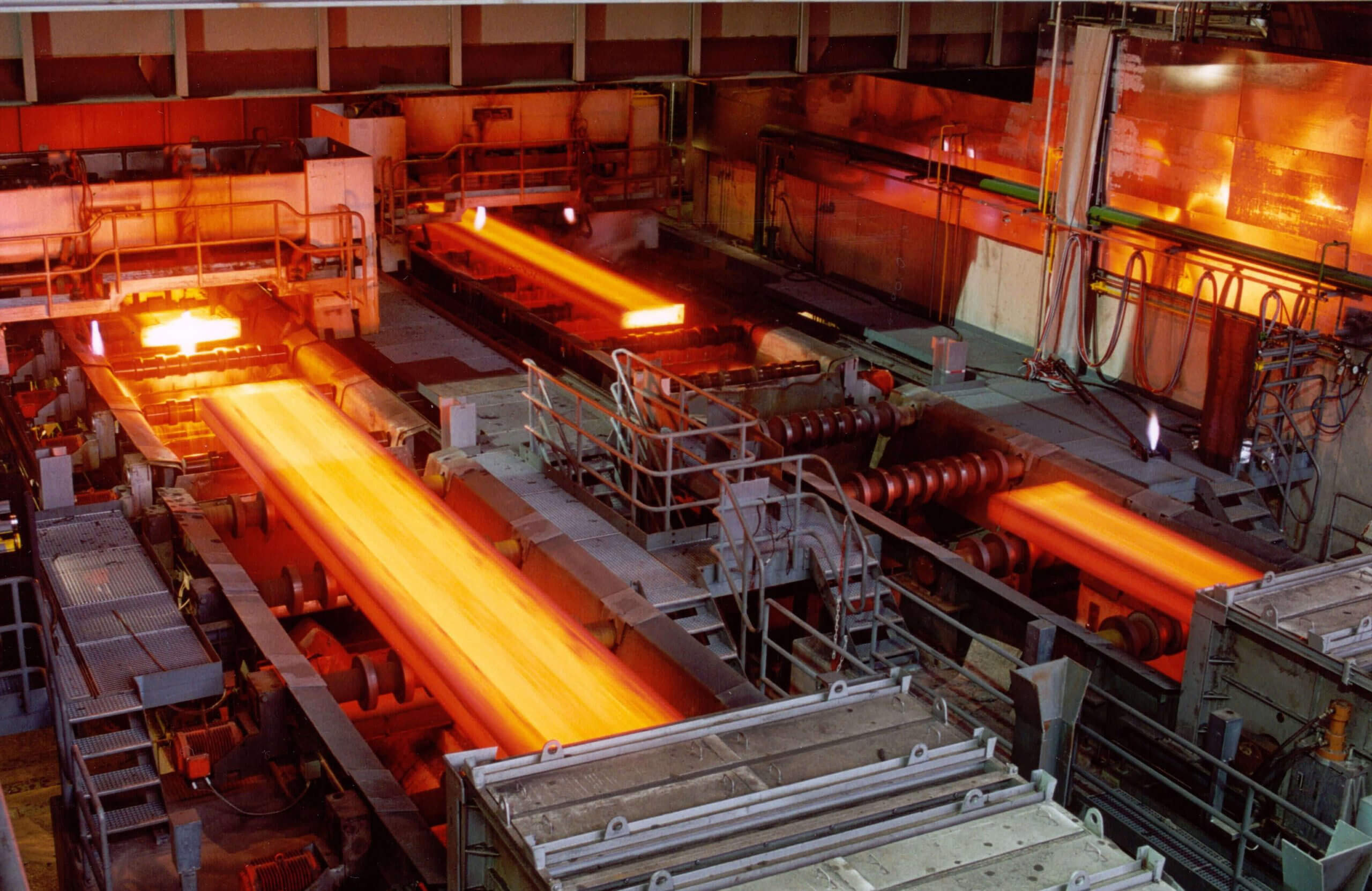
Embracing ‘greening’ practices and minimizing greenhouse gas emissions within the steel sector is not merely a matter of meeting international market demands for sustainable development; it also aligns with Vietnam’s broader national objectives of reducing emissions and achieving net-zero emissions by 2050. Experts estimate that the steel industry contributes approximately 7% of the country’s total emissions and accounts for roughly 46% of industrial processes.
Clean energy for iron and steel production
The iron and steel industry is facing increasing pressure to reduce its carbon footprint, and many businesses are actively seeking ways to optimize technologies, adopt energy-saving solutions, utilize renewable energy sources, and recapture excess heat for electricity generation. This shift towards greener practices is essential, particularly in the context of the EU Carbon Border Adjustment Mechanism (CBAM).
Vu Phong Energy Group supports Vietnamese iron and steel businesses in transitioning to sustainable development and reducing greenhouse gas emissions by offering Power Purchase Agreements (PPAs) for solar energy. This flexible cooperation model enables companies to access solar energy at a potentially lower cost – often 20-30% less than current electricity rates – without the upfront capital investment and ongoing operational burdens. This approach aligns with emission reduction targets, ESG (Environmental, Social, and Governance) commitments, and broader sustainability goals.
Recognizable companies in Vietnam, including industry leaders like Vinamilk, Duy Tan Plastic, Kem Nghia, and An Tien Industries (under An Phat Holdings), have already embraced this model.
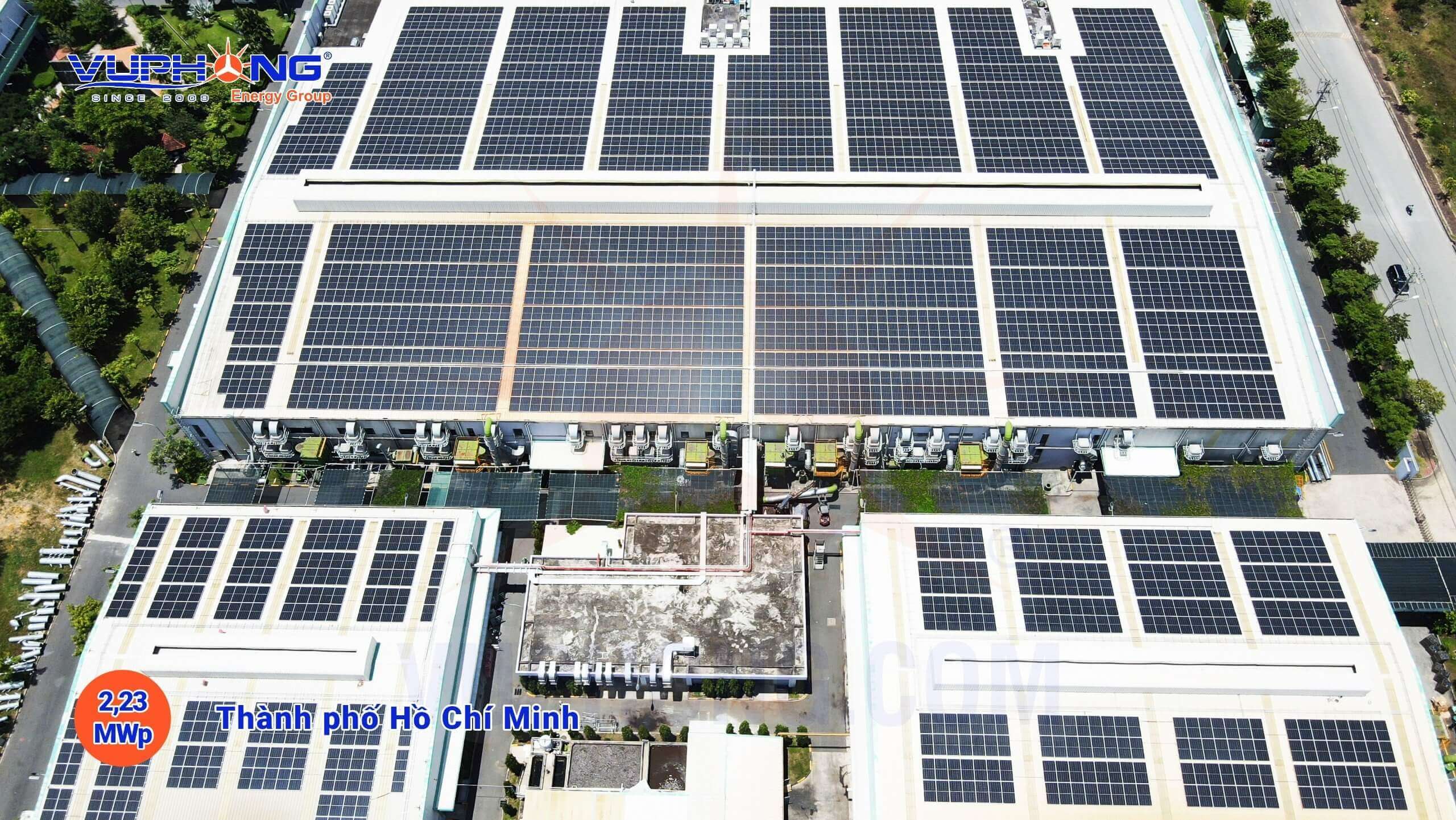 Solar power system on the roof of Kem Nghia factory in Tan Phu Trung Industrial Zone (HCMC)
Beyond PPAs, Vu Phong Energy Group provides comprehensive EPC (Engineering, Procurement, and Construction) solutions and professional Operation and Maintenance (O&M) services. We also assist businesses in registering for International Renewable Energy Certificates (I-RECs) through our subsidiary, VP Carbon, which is crucial for demonstrating renewable energy usage and meeting international standards.
As a leading developer and provider of solar power and renewable energy solutions in Vietnam, Vu Phong Energy Group is committed to partnering with businesses on their journey toward green production and sustainable development. We offer:
- A flexible Power Purchase Agreement (PPA) model, developed in collaboration with reputable domestic and international investment funds, allowing businesses to leverage clean energy without the burden of investment costs.
- Professional EPC contractor services delivered by a team of specialized and experienced engineers who adhere to strict design standards, international technical guidelines, and utilize high-quality materials.
- Optimized systems with high-quality operation and maintenance (O&M) services, built on years of experience managing large-scale solar power plants and numerous rooftop systems for manufacturing enterprises.
Furthermore, Vu Phong Energy Group provides support and guidance related to sustainable development, including advice on ESG principles and assistance with registering for I-REC international renewable energy certificates.
For businesses seeking clean energy solutions to address challenges like those presented by the EU CBAM, please contact our Call Center at 1800 7171 or +84 9 1800 7171, or email us at hello@vuphong.com for more information.
Vu Phong Energy Group
Learn more about the challenges facing the Vietnamese steel industry
(1) Data from General Department of Customs (Vietnamese)
(2) Data from Energy Conservation Research and Development Center – ENERTEAM
*Source: Internet
Read more:
- How should businesses adapt to the EU’s CBAM?
- Outstanding activities of Vu Phong Energy Group in October 2023
- CBAM mechanism: Companies need to report emissions from electricity consumption
Source: https://vuphong.com/iron-and-steel-enterprises-are-facing-challenges-from-the-cbam-mechanism/.
Recent Posts
-
 Unlocking Potential: How Mindset Drives Success at Vu Phong Energy Group
 -
 Vu Phong Handbook: Sustainable Solutions for Net-Zero & Digital Transformation
 -
 Vietnam’s Decree 135: Boost for Rooftop Solar Power & Green Transition
 -
 Zero Capex Solar: Vietnam’s Path to Net-Zero Emissions
 -
 Vu Phong Energy Group Achieves Key Milestones in Renewable Energy Transition – November 2024


